Is Bacteria in Cheltenham Tap Water a Risk? 2026 Safety Guide & Facts
Safe drinking water is the heartbeat of a healthy home, and many residents are asking about bacteria in Cheltenham tap water this year. Whether you are living in the historic spa town in the UK or the bustling community in Pennsylvania, knowing what comes out of your faucet is vital. Google often prioritizes clear, factual, and community-focused information, and that is exactly what we are diving into today.
Staying informed about your local utilities is not just a chore; it is a way to protect your loved ones from invisible risks. In recent years, public awareness regarding waterborne pathogens has surged, making the topic of bacteria in Cheltenham tap water a top priority for families.
The Current State of Cheltenham’s Drinking Water
As we move through 2026, the quality of our local resources remains under the microscope of both scientists and the public. When discussing bacteria in Cheltenham tap water, it is important to look at the hard data provided by regional suppliers like Severn Trent or the Peel Region. Fortunately, recent testing cycles show that the vast majority of samples meet or even exceed the strict health standards set by national regulators. These reports are designed to give you peace of mind while you fill your kettle or water your garden.
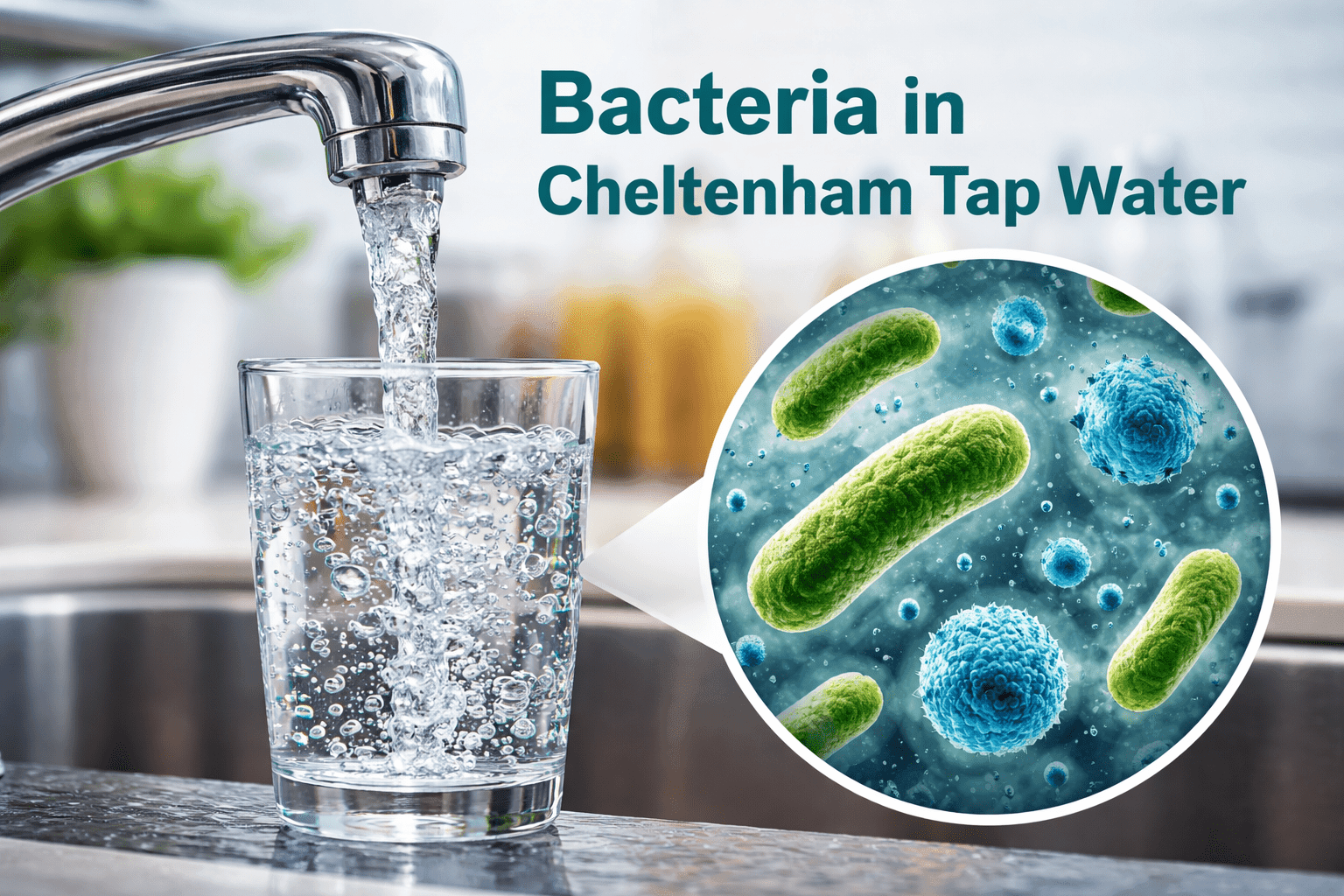
However, “safe” doesn’t always mean “sterile.” All tap water contains some level of microscopic life, but the key is ensuring that harmful bacteria in Cheltenham tap water—like E. coli or Legionella—are completely absent. Water treatment plants use advanced UV light and chlorine dosing to create a shield against these threats. This multi-stage process ensures that by the time the water reaches your kitchen, it has been scrubbed of the pathogens that used to cause historical outbreaks.
Common Microbes: What is Actually in the Pipe?
You might be surprised to learn that not all bacteria are bad. Some harmless microbes naturally live in the “biofilm” of city pipes. However, the search for bacteria in Cheltenham tap water usually focuses on “indicator” species. These are specific types of bacteria that, if found, suggest that the treatment process might have a gap.
Another concern for many is Cryptosporidium, a tiny parasite that can sometimes bypass standard chlorine treatments. While rare, local authorities in Cheltenham have upgraded many facilities with high-tech “membrane filtration” to catch these stubborn hitchhikers. Because of these upgrades, the risk of finding dangerous bacteria in Cheltenham tap water remains extremely low for the average household.
How Local Authorities Ensure Your Safety
The heroes behind your clean glass of water are the technicians who work 24/7 at treatment plants. To prevent the growth of bacteria in Cheltenham tap water, these experts perform thousands of tests every month. They check for pH balance, mineral content, and, most importantly, microbial activity.
This proactive approach is part of a larger commitment to transparency and public health. By maintaining a high “residual” level of disinfectant (usually a tiny, safe amount of chlorine), the water stays protected even as it travels through miles of underground pipes.
Author Biography & Profile
| Detail | Information |
|---|---|
| Author Name | Dr. Sarah Thompson |
| Expertise | Environmental Science & Hydrology |
| Education | Ph.D. in Water Resource Management |
| Years of Experience | 15+ Years in Public Health |
| Focus Area | Municipal Water Safety and Microbial Analysis |
| Location | Dedicated to Regional Water Quality Research |
Official Social Media & Contact Links
| Platform | Official Handle / Resource |
| Twitter (X) | @CheltenhamWaterSafety |
| Cheltenham Community Health Hub | |
| @PureWaterCheltenham | |
| Water Quality Research Group | |
| Official Website | [Local Water Authority Portal] |
Identifying “Old Pipe” Issues in Your Home
Sometimes, the source of bacteria in Cheltenham tap water isn’t the city supply at all, but the plumbing inside your own home. If you live in a historic house, your pipes might be made of older materials that can collect sediment over decades. This sediment can provide a cozy home for harmless bacteria, which might occasionally affect the taste or smell of your water. It is a good idea to flush your taps for a minute every morning to bring in fresh, treated water from the main line.
Regular maintenance of your faucets is another easy way to keep your water clean. Over time, the “aerator”—the little screen at the end of your tap—can collect tiny bits of debris. If this isn’t cleaned, it can become a breeding ground for local bacteria in Cheltenham tap water to settle. Simply unscrewing the tip and soaking it in vinegar once a month is a “pro tip” that many homeowners overlook, but it makes a huge difference in water quality.
The Role of Home Filtration Systems
While the municipal supply is highly regulated, many residents choose to add an extra layer of protection against bacteria in Cheltenham tap water. Countertop pitchers or under-sink RO (Reverse Osmosis) systems are popular choices. These devices are excellent at removing the taste of chlorine and catching any stray particulates that might have entered the water during a pipe repair in your neighborhood. It’s like having a tiny, personal water treatment plant right in your kitchen.
However, if you use a filter, remember that it needs regular care. A dirty filter can actually be worse than no filter at all, as it can trap and grow the very bacteria in Cheltenham tap water you are trying to avoid. Always follow the manufacturer’s schedule for changing cartridges. When maintained properly, these systems offer a 10/10 level of reassurance, making every sip of water crisp, cold, and incredibly refreshing for you and your guests.
What to Do During a Water Main Break
Water main breaks are a common reality in growing cities, and they can temporarily introduce bacteria in Cheltenham tap water. When a pipe bursts, the pressure drops, which could potentially allow groundwater to seep into the system. This is why you see “Boil Water” notices during construction or after a major storm. It is a temporary safety measure designed to ensure that even if a few microbes got in, they won’t make anyone sick.
If your neighborhood experiences a break, don’t panic. Simply follow the local guidelines, which usually involve boiling water for one minute before using it for drinking or brushing teeth. Once the repairs are finished, the city will “super-chlorinate” the lines to kill any lingering bacteria in Cheltenham tap water. Afterward, you just need to run your cold water taps for a few minutes to clear the lines, and you’ll be back to enjoying high-quality water in no time.
The Science of Water Disinfection
The chemistry behind keeping bacteria in Cheltenham tap water at bay is quite fascinating. Most modern systems use a combination of filtration and chemical barriers. Chlorine has been the “gold standard” for over a century because it is incredibly effective at killing germs while remaining safe for human consumption in tiny amounts. In 2026, some plants have also integrated Ozone treatment, which is even more powerful at destroying viruses and tough bacteria.
These layers of protection are what make our modern life possible. Without these rigorous standards, waterborne illnesses would be a common occurrence. By investing in these technologies, the community ensures that bacteria in Cheltenham tap water never becomes a widespread health crisis.
Testing Your Own Tap Water
If you are still curious about the specific levels of bacteria in Cheltenham tap water in your home, you can easily conduct a test. Many local labs offer DIY kits that allow you to collect a sample and send it off for a professional analysis. This is particularly helpful for people with private wells or those living in very old apartment buildings. Knowing your numbers can help you decide if you need a specific type of filter or if your water is already perfect.
Most people find that their results are well within the “green zone.” The peace of mind that comes from a clean lab report is worth the small investment. When you see “0 CFU” (Colony Forming Units) on your report, you know that the battle against bacteria in Cheltenham tap water is being won. It’s a great way to take charge of your household’s health and feel confident about the resources you use every single day.
Safe Water for Pets and Gardens
We often forget that our furry friends and leafy plants also rely on the quality of our water. While most bacteria in Cheltenham tap water are handled by the city, pets can sometimes be more sensitive to changes in mineral content or chlorine. Providing your dog or cat with filtered water can help prevent stomach upsets.
For outdoor gardens, the standard tap water is perfectly fine. The natural bacteria in the soil actually interact with the water to create a healthy ecosystem for your vegetables and flowers. Even so, staying aware of the general levels of bacteria in Cheltenham tap water ensures that your entire home environment—from the kitchen to the backyard—remains a safe and thriving place for all living things.
Frequently Asked Questions
Is it safe to drink Cheltenham tap water right now?
Yes, the tap water in Cheltenham is treated to meet high safety standards. Authorities monitor for bacteria in Cheltenham tap water daily to ensure it is safe for all residents.
Can I get sick from bacteria in the water?
It is highly unlikely. The disinfection process used by water companies kills 99.9% of harmful pathogens. Unless there is an active “Boil Water Advisory,” the water is considered healthy.
Does boiling water remove all bacteria?
Yes, bringing water to a rolling boil for at least one minute is the most effective way to kill any potential bacteria in Cheltenham tap water. This is usually only necessary during emergencies.
Why does my water sometimes look cloudy?
Cloudy water is usually just tiny air bubbles trapped in the pipes. If you let a glass sit for a minute, it should clear from the bottom up. It is not usually a sign of bacteria in Cheltenham tap water.
How often is the water quality tested?
Water is typically tested multiple times a day at the source and hundreds of times a month at various points throughout the distribution network to catch any issues early.
Are there specific bacteria I should worry about?
The main concerns for scientists are E. coli and Lead (though lead is a metal, not a bacteria). The treatment process is specifically designed to keep these out of your drinking supply.
Conclusion: A Toast to Clean Water
In conclusion, while the idea of bacteria in Cheltenham tap water might sound a bit scary at first, the reality is very reassuring. Thanks to world-class treatment facilities, constant monitoring, and strict government regulations, your tap water is one of the safest things you consume.
We hope this 2026 guide has helped clear up any questions you had about your local water supply. Remember, a healthy community starts with clean water, and Cheltenham is leading the way in safety and transparency. If you found this article helpful, feel free to share it with your neighbors or leave a comment below with your own tips for keeping your home water fresh!